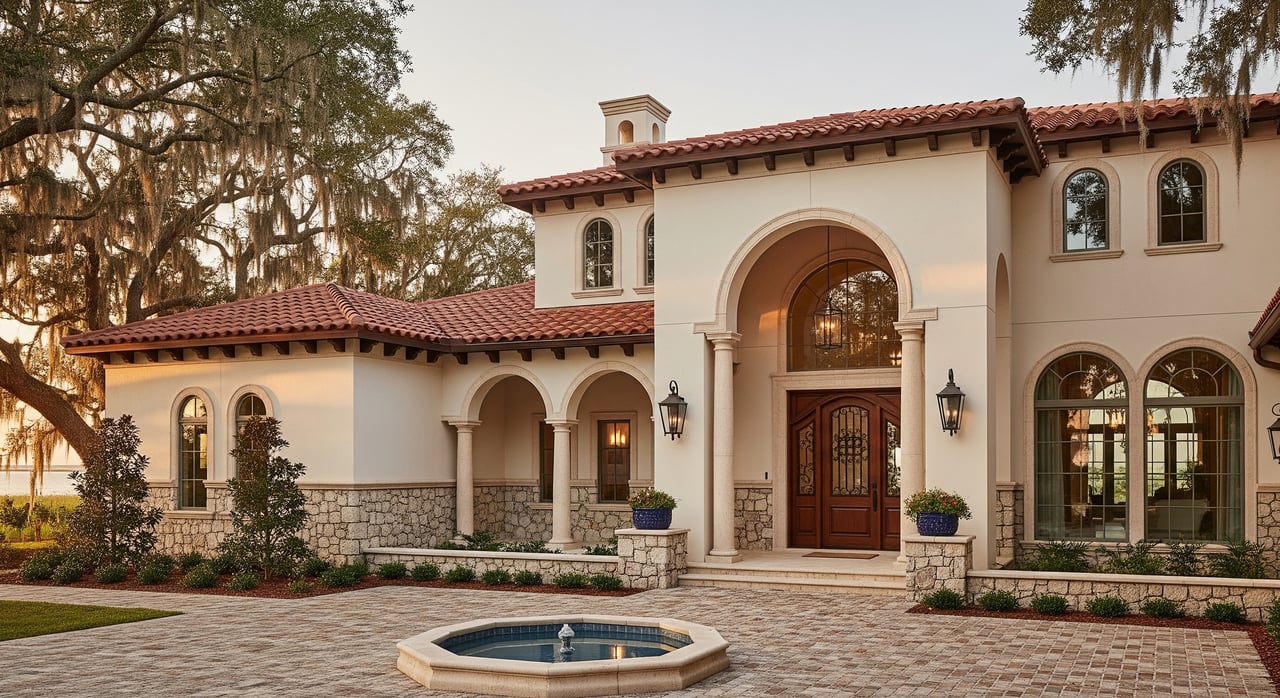
Thinking about building new in St. Augustine but not sure where to start? You are not alone. With master-planned neighborhoods, coastal considerations, and a range of builder options, the process can feel overwhelming, especially if you are relocating. This guide gives you a clear, local roadmap so you can choose the right community, timeline, financing, and upgrades with confidence. Let’s dive in.
New construction paths in St. Augustine
You will see three main build types in St. Johns County, each with different timelines and flexibility:
- Spec or inventory homes. These are completed or nearly finished homes available for quick move-in. Pros include speed and sometimes better pricing, especially near close-out. Cons include limited personalization.
- Plan-based or semi-custom builds. You choose a floor plan, elevation, and packages, then add options. This is common with national and regional builders. You get some customization with predictable timelines.
- Full custom homes. You buy a lot and work with an independent builder and architect. You get maximum control over design, but the process is more complex and often longer.
You will also choose between community settings:
- Master-planned communities. Expect on-site amenities, a homeowners association, and often a Community Development District that helps fund roads, parks, and utilities. Fees vary by community and phase.
- Infill or smaller subdivisions. Fewer amenities and sometimes lower recurring fees. These can be great if you prefer a simpler setup.
Before you commit, confirm the basics for any community or builder: HOA rules, any CDD assessments, who maintains roads and utilities, a phasing plan for future construction nearby, warranty terms, and current public-school assignments. Your agent can help you pull recorded plats and community documents and review them with you.
How long builds really take
Timelines vary by build type and permitting. Here is a realistic range for St. Johns County:
- Spec homes: often 30 to 90 days if mostly complete when you go under contract.
- Plan-based builds: commonly 6 to 9 months when the lot is ready and permits move on schedule.
- Custom builds: usually 9 to 18 months depending on design, site work, and approvals.
Expect delays from rainy-season weather, permit backlogs, supply or labor constraints, late change orders, or site challenges like wetland buffers and septic. Ask the builder for their permit submittal date, inspection milestones, and communication plan so you can spot slowdowns early.
Financing your new build
New construction uses a few financing structures. Compare options side by side before you sign:
- Traditional mortgage at completion. Common with spec homes or production builds. The builder carries construction until closing, then you secure a standard mortgage.
- Construction-to-permanent loans. A single loan that funds construction and converts to a permanent mortgage when you get a certificate of occupancy. One closing, two phases.
- Construction-only loans. You close on a short-term construction loan, then refinance into a permanent mortgage later. This adds a second closing.
- VA loans for new builds. VA financing can work for new construction if the builder and lender follow VA requirements. Confirm early that the builder accepts VA loans and that your lender understands documentation needs for plans and inspections.
Ask about who controls construction draws, how inspections for draws are handled, and your rate exposure during the build. If the builder offers incentives for using an affiliated lender, compare the total package against outside lenders so you know what you are gaining.
Quality control and inspections
Even with builder oversight, independent checkpoints protect you and your investment:
- Hire a third-party inspector at the foundation, framing and rough-in stage, and before closing. These phased inspections document progress and help catch issues early.
- Plan a detailed punch list at your final walk-through. Take photos and get target dates for each item. Keep copies of all correspondence.
- Understand your warranty. Many builders use a “1-2-10” style warranty. Confirm what is covered in year one, year two, and structural coverage, plus how to submit claims and response timelines.
Who represents you at the sales center
The on-site sales team works for the builder. You should bring your own agent to represent your interests from the first visit. A buyer’s agent with new-construction experience can:
- Review the builder contract and addenda.
- Compare base price, included features, and upgrade pricing across builders.
- Negotiate closing costs, rate buy-downs, lot premiums, or design credits.
- Add protective language for inspections, deposits, and timelines.
- Coordinate with your lender, title, and inspectors from contract to closing.
Builders often pay buyer-agent commissions. Confirm the terms upfront and sign a buyer-broker agreement where appropriate.
What contracts and costs to review
Builder contracts are different from resale contracts. Review them line by line with your agent and, if desired, a real estate attorney. Key areas to understand:
- Price and inclusions. Get a written list of what is included such as appliances, irrigation, and window coverings. Verify model-home features that are upgrades.
- Lot premiums and orientation. Water, preserve, or corner lots often carry premiums. Discuss how those affect value and resale.
- Incentives. Builders may offer closing cost help, rate buy-downs, or design credits, often tied to preferred lenders. Compare the net number across lenders.
- Deposit protections. Know how earnest money is held, when it becomes nonrefundable, and any paths to recover it if the builder misses defined dates.
- Completion dates and remedies. Ask about reasonable delays, your rights if construction is late, and whether you can terminate if delays exceed a threshold.
- Inspection rights. Confirm you can bring in third-party inspectors and how punch list items are handled before closing.
- Warranty terms and dispute resolution. Read the fine print on coverage, claims, and arbitration or court remedies.
Also review recurring and one-time costs:
- HOA fees and CCRs. Understand rules, fee schedules, and special assessment procedures.
- CDD assessments. Many area communities use CDDs under Florida law to finance infrastructure. These often appear on your tax bill and may run for many years.
- Impact and connection fees. Confirm whether water, sewer, and utility fees are included in your contract or paid at closing.
- Property taxes. New homes are reassessed after completion. Check recent assessments nearby through the property appraiser to estimate your first-year taxes.
- Insurance. Budget for homeowner insurance and, in some locations, separate flood coverage.
Smart upgrades that add value
Prioritize items that are difficult or expensive to add later. Cosmetic touches can often wait until after closing.
High-priority upgrades to consider:
- Structural and systems. Prewire for an EV charger, add extra circuits, rough-in plumbing where you may want future sinks or tubs, and consider higher-efficiency HVAC.
- Layout choices. If you want a larger shower, extra windows, or a covered lanai extension, do it during construction.
- Windows and doors. Upgraded impact or energy-efficient packages may help performance and insurance discussions.
- Outdoor living. If you want a screened enclosure or extended patio, verify whether the builder can include it. Some exterior changes require additional permits.
Upgrades that can often wait:
- Decor and finishes. Paint, hardware, lighting fixtures, and some flooring changes can be more affordable after closing if you have the patience for a small project.
Always get written pricing and know how allowances work. Confirm who buys and installs each upgrade so nothing falls through the cracks.
A step-by-step plan for relocators
If you are moving from out of state or under military orders, a clear plan keeps the process calm and predictable.
- Get a firm pre-approval. This is critical for lot reservations and builder acceptance. VA buyers should confirm new-construction requirements with the lender.
- Hire a local buyer’s agent. Choose someone experienced in St. Johns County new builds who can attend appointments and walk-throughs for you when needed.
- Shortlist communities. Request community documents, HOA and CDD disclosures, and a map of future phases so you know what is planned nearby.
- Choose a builder and plan. Ask for included-features sheets and elevation options. Compare apples to apples across builders.
- Review the contract. Confirm deposit protections, inspection rights, and delay remedies. Ask questions before you sign.
- Set inspection checkpoints. Schedule independent inspections at foundation, framing, and final stages.
- Verify site and insurance. Confirm drainage, flood zone status, and whether an elevation certificate is needed. Get early insurance quotes.
- Plan logistics. If construction goes beyond your move-in date, line up temporary housing and storage. Build in buffer time for possible delays.
- Establish decision authority. If you expect deployment or travel, put a power of attorney in place and set clear communication rules for change orders.
- Final walk-through. Build a punch list together with the builder and confirm completion dates in writing.
Local checks before you choose a lot
Doing your homework early can save you time, money, and stress.
- Permitting and timelines. Check the St. Johns County Building Department or the City of St. Augustine Building Division, depending on location, for current submittal checklists and plan review times. Follow up by phone for real-time updates.
- Taxes and assessments. Use the St. Johns County Property Appraiser and Tax Collector to review parcel data, millage rates, and any special assessments like CDDs.
- Recorded documents. Review plats, easements, and covenants through county records or GIS. These show future roads, utility corridors, and set-backs that affect lifestyle and value.
- Builder licensing. Verify contractors through the Florida Department of Business and Professional Regulation. Look for a clean licensing record and ask for references.
- Building code. Florida Building Code and any local amendments set construction standards. Ask your builder how they meet or exceed them.
- VA home loan guidance. VA buyers should confirm eligibility and documentation requirements for new construction early in the process.
Your next steps
New construction in St. Augustine can be a great fit when you understand timelines, financing, inspections, and community costs. Start with a clear budget, compare communities and builders side by side, and bring a trusted local agent to advocate for you from the first visit to the final walk-through.
If you want a calm, guided process tailored to your family’s timeline, connect with The Coastal Home Group. Our team helps you shortlist communities, review contracts, schedule inspections, and stay on top of every milestone so you can enjoy your move to the coast.
FAQs
Who pays buyer-agent commission on new construction in St. Johns County?
- Builders often pay buyer-agent commissions, but terms vary by community and contract, so confirm compensation and representation before you register at a sales center.
How long does a new build take in St. Augustine?
- Spec homes can close in 30 to 90 days, plan-based builds commonly take 6 to 9 months, and custom homes often require 9 to 18 months depending on permitting and complexity.
Can I use a VA loan for a new-construction home?
- Yes, VA loans can be used for new construction when the builder and lender follow VA requirements, so verify builder acceptance and lender experience early.
What is a CDD and how is it billed in Florida communities?
- A Community Development District funds infrastructure in many Florida neighborhoods and is typically billed as an annual assessment, often on your property tax bill.
Do I need independent inspections if the builder already inspects?
- Third-party inspections at the foundation, framing, and final stages add a layer of protection, document quality, and help resolve issues before closing.
Which upgrades should I do now versus later?
- Prioritize structural and systems items that are hard to retrofit, then consider decor or finish upgrades after closing if you want to manage costs and timing.
What documents should I review before choosing a lot?
- Review HOA and CDD disclosures, recorded plats and easements, a community phasing plan, and nearby future land uses through county records and planning maps.
How do I check a builder’s license and track record?
- Verify licensing with the Florida Department of Business and Professional Regulation, then request local references and ask about warranty claim responsiveness.